
 972-727-5599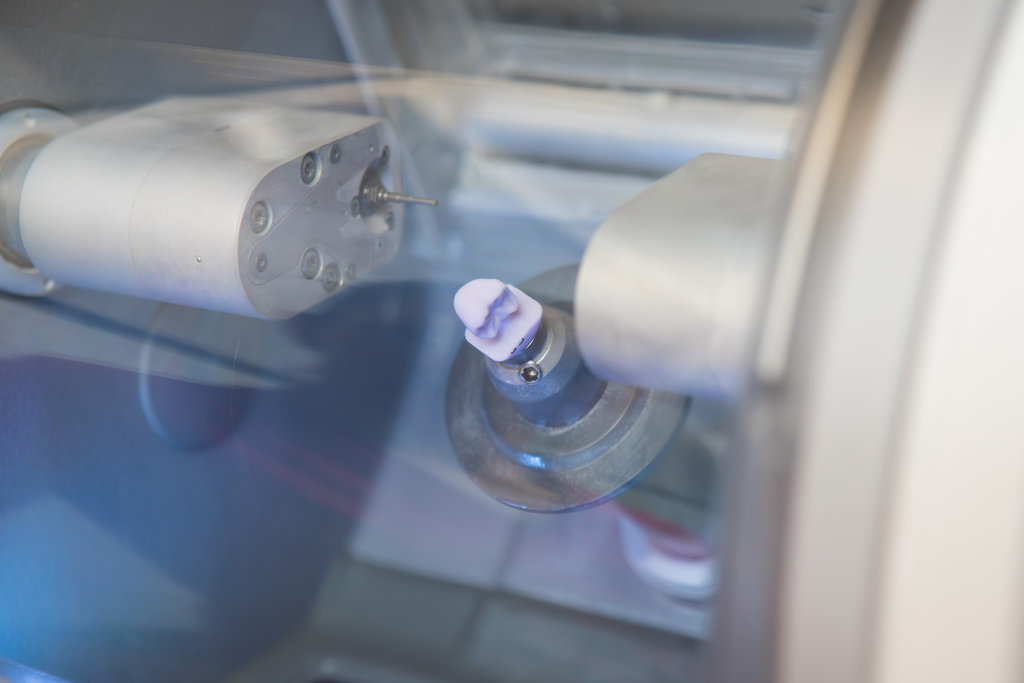
CEREC technology restores a damaged or missing tooth with a permanent ceramic crown, inlay, onlay, or veneer completed in a single office visit instead of the two or more appointments traditional restorations require. The system combines digital imaging, computer-aided design, and in-office milling so you leave with your finished restoration the same day.
At our Allen practice, we use CEREC (Chairside Economical Restoration of Esthetic Ceramics) technology to provide patients with high-quality crowns, inlays, onlays, and veneers in a single visit. This advanced system combines digital imaging, computer-aided design, and precision milling to create restorations that are both beautiful and durable, allowing you to leave with your completed treatment the same day.
What Is CEREC Technology?
CEREC represents a major advancement in restorative dentistry by combining several cutting-edge technologies into one seamless system. According to the American College of Prosthodontics, an estimated 178 million Americans are missing at least one tooth, highlighting the importance of preserving and restoring damaged teeth with quality solutions like CEREC. The process begins with a digital impression using an intraoral camera, which captures detailed 3D images of your tooth structure. This removes the need for messy traditional impressions that many patients find uncomfortable.
Once the digital impression is complete, sophisticated software designs your restoration based on the unique characteristics of your tooth. The design process considers factors like bite alignment, adjacent teeth, and your natural tooth color to ensure a good fit and appearance. This computer-aided design phase typically takes just a few minutes.
The final step involves a precision milling machine that mills your restoration from a solid block of high-quality ceramic material. This milling process creates a restoration with a high degree of accuracy, often comparable to or exceeding what is achievable with traditional laboratory methods. The entire process, from impression to final placement, can often be completed in about 90 minutes.
What Are CEREC Restorations Made Of?
CEREC restorations are milled from solid, tooth-colored ceramic blocks, most commonly lithium disilicate or zirconia. Both materials are well established in modern dentistry for their strength and natural appearance, and neither relies on a metal substructure the way older porcelain-fused-to-metal crowns do. Removing the metal core allows light to pass through the restoration more like it does through natural enamel, which is part of why CEREC restorations tend to blend in well with surrounding teeth.
Zirconia is generally the stronger of the two options and holds up well under the chewing forces on back teeth, while lithium disilicate is prized for its esthetics on teeth that show more when you smile. Your dentist selects the material based on the location of the tooth, your bite, and the specific restoration you need.
Benefits of Same-Day Dental Restorations
CEREC technology offers significant advantages over traditional methods, making it an appealing option for patients seeking dental restorations.
Time Efficiency
One of the most noticeable advantages of CEREC technology is the time savings it provides. Traditional crowns require at least two appointments spread over several weeks. With CEREC, you receive your permanent restoration in a single visit, making it ideal for busy patients who cannot easily accommodate multiple dental appointments.
No Temporary Restorations
Traditional crown procedures require wearing a temporary crown while waiting for the permanent restoration to be milled in a dental lab. Temporary crowns can be uncomfortable, may fall off, and require dietary restrictions. CEREC eliminates these concerns by providing your permanent restoration immediately.
Durability
CEREC restorations are milled from solid blocks of ceramic material, making them strong and durable. These materials are biocompatible and resist staining better than some traditional materials. Many CEREC restorations can last 15 years or more with proper care and good oral hygiene, comparable to the longevity of laboratory-made crowns.
Precise Fit and Natural Appearance
The digital design process allows for a high degree of precision in creating your restoration. CEREC restorations are designed to match your natural tooth color and translucency, helping them blend in with your natural teeth. The precise fit also helps support proper bite alignment and comfort.
The technology is particularly useful for patients who need multiple restorations, as several crowns or inlays can often be completed in a single extended appointment. This reduces the total time away from work or other commitments compared to traditional methods that require multiple visits.
Is CEREC Right for Every Patient?
Same-day restorations work well for most patients who need a crown, inlay, onlay, or veneer, but a few situations call for a different approach. Teeth with very limited remaining structure, certain bite conditions, or restorations that need to match a very complex existing bridge or bite scheme may still be better suited to a traditional lab-fabricated crown. Availability and cost can also vary between offices, since not every dental practice offers in-office milling.
During your consultation, we will evaluate your tooth, your bite, and your treatment goals to confirm whether a same-day CEREC crown is the right fit or whether another restorative option would serve you better.
The CEREC Treatment Process
The CEREC treatment process begins with a thorough examination and preparation of your tooth. Any decay or damaged tooth structure is removed, and the tooth is shaped to create space for the restoration. Local anesthesia helps ensure your comfort throughout this process.
Digital Impressions
Next, the digital impression process captures detailed images of your prepared tooth and surrounding structures. The intraoral camera creates a 3D model that serves as the foundation for designing your restoration. You can actually watch this process on a chairside monitor, giving you a unique view of your dental anatomy.
Design Phase
The design phase allows for customization of your restoration’s shape, size, and color. The dentist can make real-time adjustments to help ensure a good fit and appearance. Once the design is finalized, the information is sent to the milling machine, which begins crafting your restoration from a ceramic block.
Restoration Creation
While your restoration is being milled, you can relax in the treatment chair or take a short break. The milling process typically takes 10 to 15 minutes, depending on the complexity of the restoration. Once complete, the restoration is tried on, adjusted if needed, and permanently bonded to your tooth using advanced dental adhesives.
If you would like a closer look at how quickly the full appointment typically moves, our overview of the CEREC same-day crown timeline walks through what to expect at each stage. Patients weighing CEREC against a traditional lab-made crown may also find our guide to the dental crown process helpful for comparing both paths side by side.
Contact Our Allen Practice for CEREC Restorations
Dr. Peter Hazim has been providing comprehensive dentistry in Allen, Texas, since 1999, combining advanced technology with compassionate care to help patients achieve healthy, functional smiles. As a prosthodontist trained in the restoration of damaged and missing teeth, Dr. Hazim has extensive experience with complex dental restorations and stays current with technological advances through continuing education at institutions including the Spear Institute and the Pankey Institute.
Our restorative dentistry team can help you determine whether a same-day CEREC restoration fits your needs. Contact us online to schedule a consultation with Dr. Peter Hazim, DDS.
Frequently Asked Questions About CEREC Same-Day Restorations
How long does a CEREC same-day crown last?
Many CEREC restorations last 15 years or longer with proper care, which is comparable to traditional laboratory-made crowns. Longevity depends on the material used, the location of the tooth, and how consistently you keep up with brushing, flossing, and regular dental checkups.
Does getting a CEREC crown hurt?
Local anesthesia is used during tooth preparation, so the procedure itself should not be painful. Some patients experience mild sensitivity for a day or two afterward as the tooth adjusts to the new restoration, which typically resolves on its own.
Is a CEREC crown as strong as a traditional crown?
Yes, CEREC crowns milled from zirconia or lithium disilicate are strong enough for everyday chewing and are considered comparable in durability to traditional lab-made crowns. The right material for your restoration depends on the location of the tooth and the forces it will need to withstand.
Can CEREC be used for more than one tooth at a time?
Yes, several crowns or inlays can often be designed and milled during a single extended appointment. This can reduce the total number of visits needed compared to traditional methods, though your dentist will confirm what is realistic based on how many teeth need treatment.
Will dental insurance cover a CEREC restoration?
Many dental insurance plans cover CEREC restorations similarly to traditional crowns, since both address the same clinical need. Coverage varies by plan, so our team can help verify your benefits and discuss payment options before treatment begins.
