
 972-727-5599
Missing teeth don’t have to mean missing confidence. Dental bridges provide a reliable solution for those who have lost teeth. In Allen, TX, the office of Dr. Peter Hazim offers multiple types of dental bridges to restore smiles and improve oral health. Knowing the available tooth replacement options can help you make informed decisions about dental care.
At Dr. Peter Hazim’s office, patients receive guidance on selecting the right dental bridge. The process ensures comfort, functionality, and a natural appearance, allowing individuals to regain confidence in their smiles.
What Are Dental Bridges?
A dental bridge replaces one or more missing teeth with a fixed appliance. It consists of two or more dental crowns placed on teeth adjacent to the gap, called abutment teeth, with a false tooth, or pontic, in between. Cemented into place, this structure provides a lasting solution for tooth loss. Many patients prefer bridges for their ability to restore function and enhance appearance. Custom-made in a dental laboratory, each bridge matches the natural teeth for a seamless look.
Beyond aesthetics, dental bridges preserve jaw structure and prevent nearby teeth from shifting into the gap left by missing teeth. Filling this space supports the remaining teeth, promoting better oral health. Strong materials such as porcelain ensure durability, allowing the bridge to withstand daily use. This combination of strength and appearance makes dental bridges a preferred choice for effective tooth replacement.
How Dental Bridges Restore Your Smile
A dental bridge restores confidence by replacing missing teeth and improving alignment. Gaps can cause remaining teeth to shift, altering bite patterns. A properly fitted bridge prevents these issues, keeping teeth in their correct positions.
Dental bridges also restore the ability to chew comfortably. Missing teeth often make it difficult to eat certain foods, leading to dietary limitations. With a bridge in place, eating becomes easier, and dietary choices expand. The improved function enhances both oral health and overall quality of life, allowing individuals to enjoy social situations without concerns about their smiles.
Types of Dental Bridges Available in Allen, TX
Several types of dental bridges accommodate different needs. The most common type, traditional dental bridges, uses crowns on adjacent teeth to support the pontic. This option works well for those with healthy surrounding teeth.
Cantilever bridges offer another solution, relying on a single adjacent tooth for support. Maryland bridges use a metal or porcelain framework instead of crowns, preserving more of the natural tooth structure. For a more stable option, implant-supported bridges anchor to dental implants rather than natural teeth, providing additional security and longevity. Each type offers specific advantages; a dentist can help determine the best choice.
Choosing the Right Dental Bridge
Selecting the right dental bridge ensures long-term comfort and function. Factors such as the number of missing teeth, the condition of surrounding teeth, and personal preferences influence this decision. A consultation with Dr. Peter Hazim helps evaluate these aspects and identify the most suitable option. During the consultation, Allen, TX dentist Dr. Hazim will thoroughly examine your oral health, including X-rays if necessary, to assess the condition of your remaining teeth and gums. This examination allows him to determine the best type of dental bridge for your specific situation, whether it be a traditional bridge, a cantilever bridge, a Maryland bridge, or an implant-supported bridge.
Dr. Hazim will also discuss your aesthetic goals and functional needs. Some patients prioritize a natural-looking appearance, while others may focus on durability and ease of maintenance.
Budget considerations also play a role. Traditional bridges typically cost less, while implant-supported bridges require a higher investment due to surgical procedures. Discussing options with a dentist ensures a well-informed choice that balances function, appearance, and affordability. A customized approach leads to a more effective and lasting restoration.
Benefits of Dental Bridges for Missing Teeth
Dental bridges restore the ability to chew and speak without difficulty. Filling gaps left by missing teeth prevents surrounding teeth from shifting, which helps maintain proper alignment. By preserving facial structure, bridges also prevent the sunken appearance often associated with tooth loss.
Beyond structural benefits, bridges contribute to better oral health. Misalignment from missing teeth can lead to further dental issues, but a well-placed bridge prevents these complications. Durable materials ensure longevity, providing a reliable and lasting solution.
Additionally, dental bridges can enhance a patient’s confidence by improving their smile aesthetics. The appearance of missing teeth can affect self-esteem, and bridges offer a natural-looking restoration that can significantly boost one’s willingness to smile and engage socially.
Bridges can be customized to match the color, shape, and size of existing teeth, making them indistinguishable from natural teeth. This personalization helps achieve a seamless look and allows for optimal functionality in chewing and speaking.
Steps Involved in Getting a Dental Bridge
The process begins with a consultation to assess oral health and explore bridge options. Once a suitable bridge is selected, the dentist prepares the abutment teeth by reshaping them to accommodate crowns.
After preparation, the dentist takes impressions to create a custom bridge that fits properly. A dental laboratory fabricates the bridge, ensuring a precise match to natural teeth. A temporary bridge protects the prepared teeth while waiting for the permanent bridge. When the final bridge is ready, the dentist secures it with dental cement, restoring the smile immediately.
Lifespan and Care for Dental Bridges
The longevity of a dental bridge depends on factors such as oral hygiene and daily habits. With proper care, a bridge can last between five and fifteen years. Brushing and flossing regularly help maintain the health of supporting teeth and gums.
Regular dental checkups allow early detection of any issues, preventing complications. Avoiding hard foods and habits such as chewing on ice enhances durability. Proper care ensures the bridge remains functional for years, preserving oral health and overall comfort.
Frequently Asked Questions About Dental Bridges
What are the different types of dental bridges?
At our Allen office, we offer traditional, cantilever, Maryland, and implant-supported bridges. Traditional bridges, the most common type, use crowns on adjacent teeth to support the replacement tooth, while cantilever bridges rely on a single adjacent tooth. Maryland bridges use a metal or porcelain framework instead of crowns, and implant-supported bridges anchor to dental implants rather than natural teeth. Dr. Hazim will examine your oral health and help you determine the best choice for your situation.
How long do dental bridges last?
With proper care, a dental bridge can last between five and fifteen years, depending on factors such as your oral hygiene and daily habits. Brushing and flossing regularly helps maintain the health of the supporting teeth and gums, and regular dental checkups allow early detection of any issues. Avoiding hard foods and habits such as chewing on ice also enhances durability. Our team at Peter F. Hazim, DDS in Allen is happy to answer your questions about caring for your bridge.
What is the process for getting a dental bridge?
The process at our Allen office begins with a consultation to assess your oral health and explore bridge options. Once a suitable bridge is selected, we prepare the abutment teeth by reshaping them to accommodate crowns, then take impressions to create a custom bridge. A dental laboratory fabricates the bridge to match your natural teeth, and a temporary bridge protects the prepared teeth in the meantime. When the final bridge is ready, we secure it with dental cement, restoring your smile immediately.
Do dental bridges look natural?
At Peter F. Hazim, DDS in Allen, each bridge is custom-made in a dental laboratory and can be customized to match the color, shape, and size of your existing teeth so it blends with your natural smile. Strong materials such as porcelain provide durability for daily use. This personalization helps achieve a seamless look and supports comfortable chewing and speaking.
What are the benefits of replacing a missing tooth with a bridge?
A bridge restores the ability to chew and speak without difficulty. By filling the gap, it keeps surrounding teeth from shifting, which helps maintain proper alignment, and it preserves facial structure to prevent the sunken appearance often associated with tooth loss. Many patients also find that a natural-looking restoration improves their confidence in their smile. Our team in Allen will talk through the benefits that matter most to you during your consultation.
How much do dental bridges cost?
Costs vary based on the type of bridge and the complexity of your case. Traditional bridges typically cost less, while implant-supported bridges require a higher investment due to surgical procedures. We are happy to file dental benefits claims on your behalf if you participate in a PPO plan, and we offer financing options through CareCredit and Cherry. Our team in Allen will review your options with you at your consultation.
Restore Your Smile with a Dental Bridge
Replacing missing teeth improves both function and appearance. Dental bridges provide a secure, natural-looking solution, enhancing confidence and oral health. As part of our broader restorative dentistry services in Allen, TX, bridges are one of several options our team can recommend based on your specific needs.
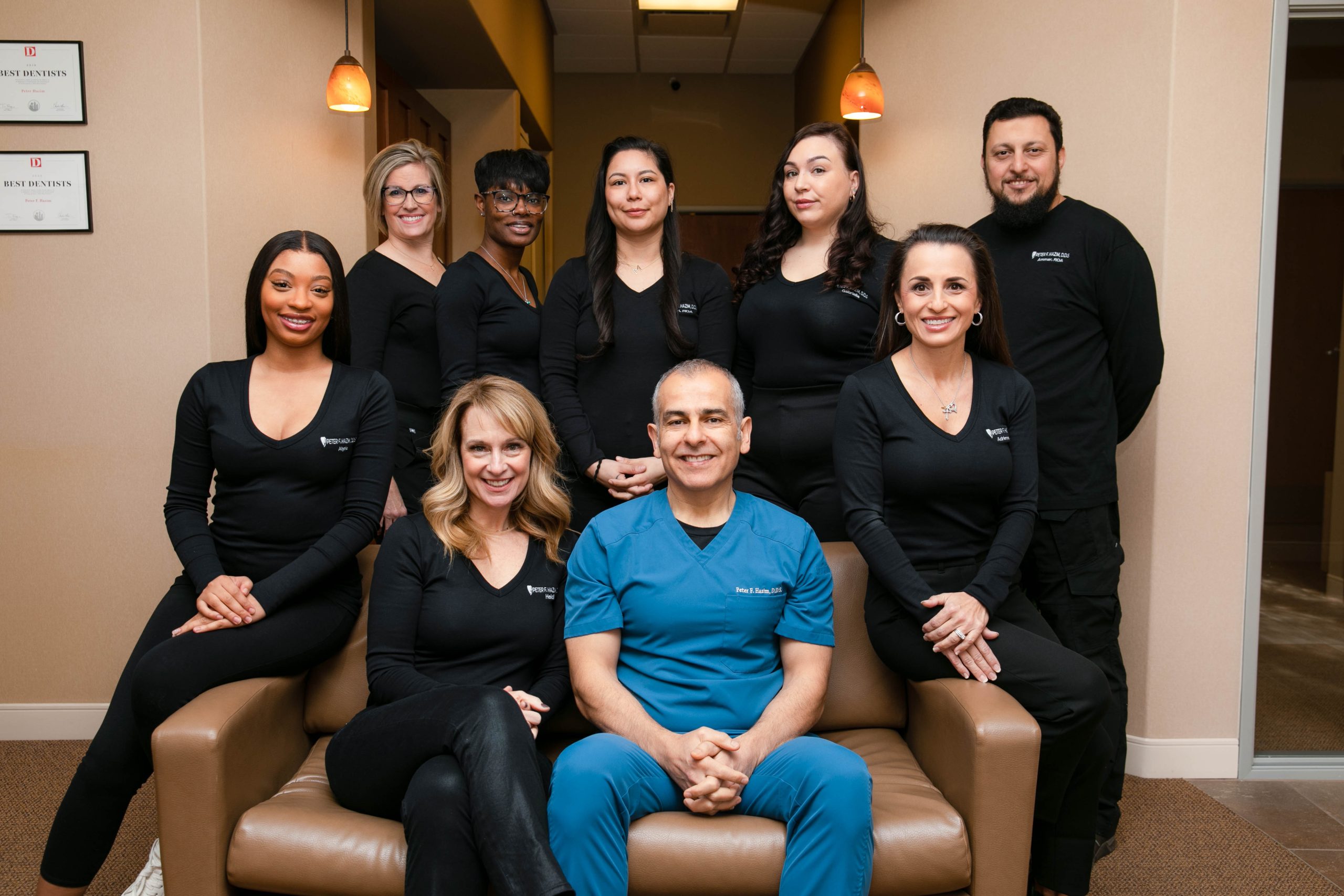
At Dr. Peter Hazim’s office, our Allen, TX prosthodontists provide professional care to ensure the right dental bridge for every patient. We offer services in multiple languages to best accommodate your needs. Schedule a consultation to explore options and take the next step toward a complete, healthy smile. Contact Peter F. Hazim, DDS at 972-727-5599 or use our contact form.