
 972-727-5599
Learning that a tooth may need to come out can feel overwhelming, especially when you are already in pain. Knowing your options, including whether the tooth can be saved, may help you decide calmly and with confidence.
At the office of Dr. Peter Hazim in Allen, Texas, we evaluate damaged teeth with the goal of saving them whenever possible. Dr. Hazim is a prosthodontist who has practiced in the Allen area for more than 25 years, and he plans each case around how a tooth will be restored or replaced. If a tooth cannot be saved, we will tell you whether we can help or whether a referral is the better choice, as part of our general dentistry care.
When a Tooth May Not Be Savable
According to Kaiser Permanente, tooth decay is the most common reason a tooth is removed, followed by infection and injury. Situations that may call for removal include:
Many damaged teeth can be saved, so Dr. Hazim reviews every option before recommending removal. Depending on the problem, a crown, a dental onlay, or a tooth-colored filling may protect a weakened tooth.
What to Do If You Have a Painful Tooth
Rinse your mouth with warm water and apply a cold compress to your face to ease swelling. Avoid putting aspirin directly on the tooth or gum, because it can damage the tissue. If you have significant swelling, a fever, or pain that keeps getting worse, call us right away and see our emergency dental care page for guidance.
Replacing a Missing Tooth
When a tooth is removed, Kaiser Permanente notes that the usual replacement options are an implant, a denture, or a bridge. As a prosthodontist, Dr. Hazim plans tooth replacement around how it will look and function. You can learn more about dental implants, bridges, and dentures and partials, and here is how they compare:
| Dental Implant | Bridge | Partial Denture | |
|---|---|---|---|
| How it works | Replaces the root and the crown | Spans the gap using neighboring teeth | Replaces teeth on a removable frame |
| Supported by | The jawbone | Teeth on both sides of the gap | Gums and nearby teeth |
| Removable? | No | No | Yes |
What to Expect If a Tooth Needs to Come Out
Whether a tooth is removed in a dentist’s office or by a specialist, the process is similar. It typically moves through these steps:
Your dentist will give you specific instructions for your case. If you have a heart condition or a weakened immune system, tell your dentist before any dental surgery, because you may need antibiotics.
Tooth Extraction FAQs
Here are answers to common questions about tooth removal.
Do you remove teeth?
Whether we can treat you depends on the tooth and your situation. Call our office, and we will let you know whether we can help or whether a referral is the better choice.
Do you remove wisdom teeth?
Wisdom tooth removal often calls for a specialist. Call our office, and we will tell you whether we can treat you or whether a referral is the better option.
What is a dry socket?
After a tooth is removed, a blood clot forms in the socket to protect the bone. If the clot comes loose, the bone is exposed, which can cause severe pain for several days. Your dentist can treat a dry socket, so call right away if you suspect one.
How can I help my mouth heal?
Rinse gently with warm salt water after the first 24 hours, avoid straws, and skip tobacco for at least 24 hours. Eat soft foods, avoid chewing on the area, and use a cold pack to ease swelling. Follow the instructions your dentist gives you.
Do I need to replace a missing tooth?
Not every extraction requires replacement, but many patients benefit from it. Your options typically include a dental implant, a bridge, or a partial denture, and we can walk you through which may fit your case.
Does my dental benefits plan cover tooth removal and replacement?
Coverage varies by plan. We are happy to file claims for patients with PPO dental benefits, and our team can review your patient portion before treatment. We also offer CareCredit and Cherry financing options and an in-house membership plan for patients without dental benefits.
Schedule Your Consultation With Dr. Peter Hazim
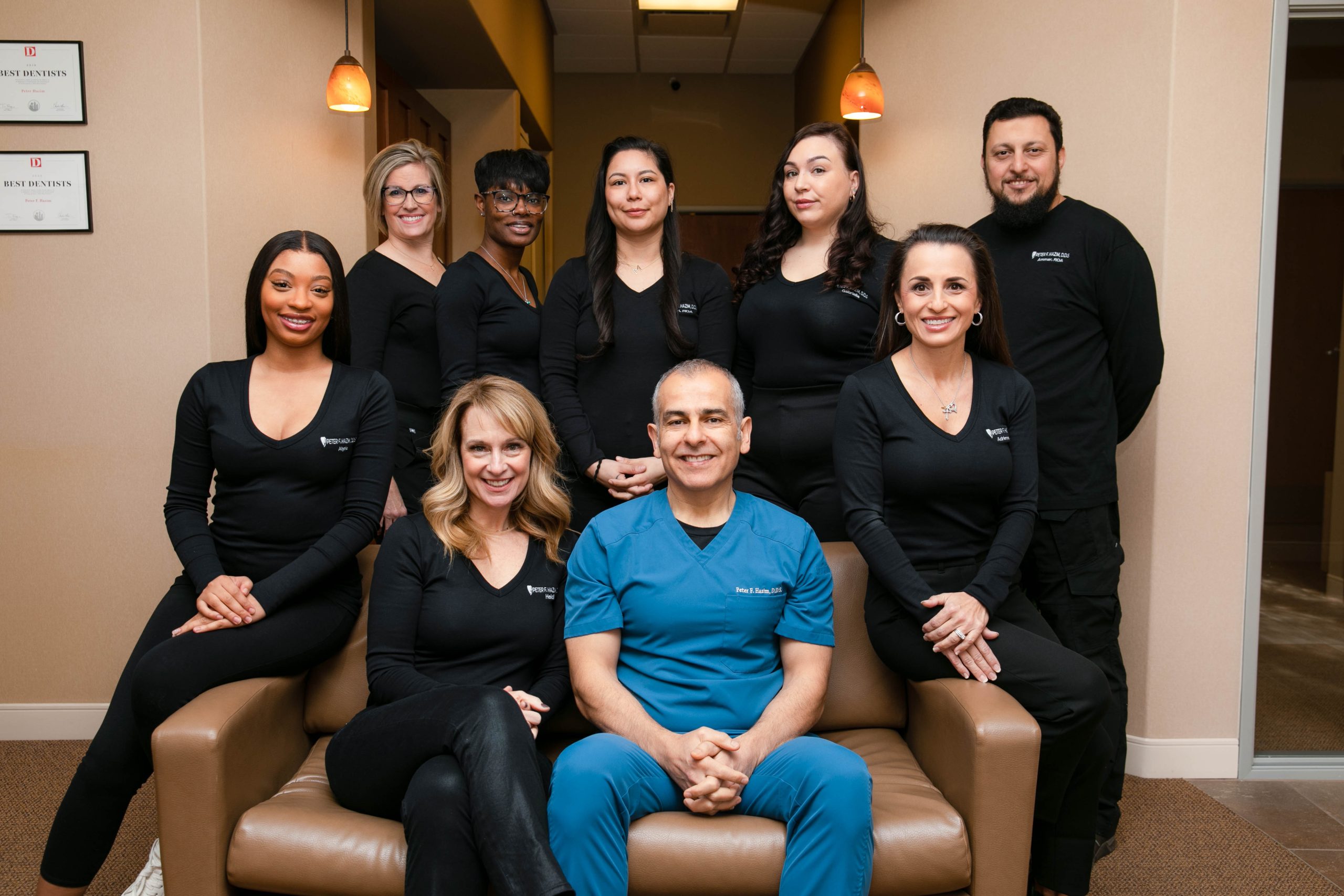
Dr. Peter Hazim has practiced in Allen for more than 25 years. He graduated from Damascus University, continued his studies at the University Rene Descartes in Paris, and became certified in prosthodontics at the Loyola VA hospital in Chicago. He is a member of the American Dental Association and the Texas Dental Association, keeps learning at the Spear Institute and Pankey Institute, and D Magazine awarded him Best Dentist in Dallas from 2017 to 2022. Read more about Dr. Hazim and his background.
If you have a damaged or painful tooth, contact our office to schedule your consultation. Our multilingual team looks forward to helping you.