972-727-5599
Most people brush twice a day and consider their at-home routine done. But even the most consistent brushers can miss areas that a simple manual toothbrush and a single pass of floss don’t fully reach. The tools you use at home and how you use them directly affect whether you’re truly protecting your teeth and gums between visits to the dentist.
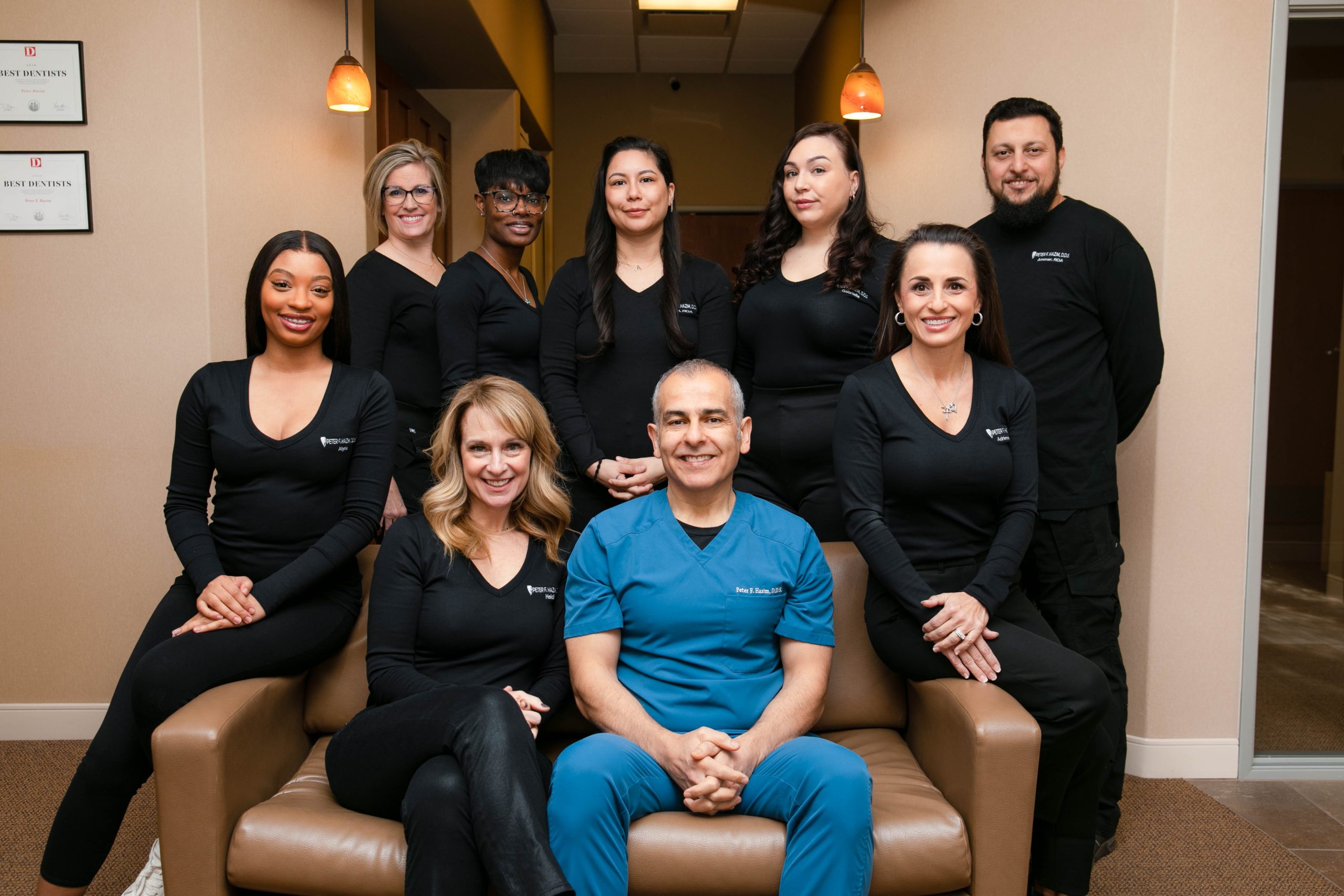
At the office of Dr. Peter Hazim, our team takes a personalized approach to every patient’s oral health, which includes guiding you toward the right hygiene tools for your specific needs. Dr. Hazim has been practicing general and prosthodontic dentistry in Allen, Texas since 1999, earning recognition as “Best Dentist in Dallas” by D Magazine from 2017 to 2022. As part of our general dentistry services, we routinely walk patients through their at-home care options to ensure the work done in our office continues between visits.
What Are Oral Hygiene Aids?
Oral hygiene aids are the products and tools used to clean your teeth, gums, and tongue outside of your professional dental appointments. They go beyond the basic toothbrush and toothpaste to include a range of instruments designed to address the unique contours of your mouth and the areas most vulnerable to plaque buildup.
Manual vs. Electric Toothbrushes
The toothbrush is the foundation of any good oral care routine, but not all brushes work the same way. A manual toothbrush, used with proper technique, can effectively remove surface plaque when replaced every three to four months. Electric toothbrushes offer a different advantage: oscillating or sonic bristle movement can break up plaque more efficiently and may be especially helpful for patients with limited dexterity or those who tend to brush too aggressively.
The key is choosing a brush with soft bristles, regardless of type, as medium and hard bristles can wear down enamel and irritate gum tissue over time. We help patients evaluate which option makes the most sense based on their current gum health and daily habits.
Floss, Floss Picks, and Interdental Brushes
Cleaning between teeth is one of the most commonly skipped steps in daily oral hygiene, yet it’s one of the most important. Traditional string floss reaches into the contact point between teeth to disrupt plaque that a toothbrush simply cannot access. For patients who find traditional floss difficult to manage, floss picks provide a pre-threaded, one-handed alternative.
Interdental brushes are small, bristled tools that fit between teeth like a tiny bottle brush. Research published in Frontiers in Dental Medicine through the National Library of Medicine indicates that interdental brushes and water flossers provide more effective cleaning of interdental spaces than traditional flossing techniques in certain patients. For those with wider gaps between teeth, braces, or dental work such as bridges, interdental brushes can be a particularly valuable addition to a daily routine.
Water Flossers and Irrigators
Water flossers, sometimes called oral irrigators, use a pressurized stream of water to flush debris and bacteria from between teeth and below the gumline. They are especially helpful for patients with implants, crowns, or other restorations where traditional floss may be difficult to use. Many patients find water flossers easier to incorporate consistently, which matters because consistency is what drives long-term oral health results.
Water flossers are not a replacement for floss in every case, but they can serve as an excellent complement. Patients who undergo dental exams and cleanings at our office regularly receive guidance on whether adding a water flosser to their routine would benefit their particular gum health and home care situation.
Tongue Scrapers and Antibacterial Rinses
The tongue harbors a significant amount of bacteria that contribute to bad breath and overall oral bacteria load. Tongue scrapers, which are simple, curved tools that drag across the tongue’s surface, can reduce bacterial buildup more effectively than brushing the tongue with a toothbrush alone.
Antibacterial and fluoride rinses serve different purposes. Fluoride rinses strengthen enamel and can be beneficial for patients at higher risk of cavities, complementing in-office fluoride treatment when additional protection is needed. Antibacterial rinses, such as those containing chlorhexidine, are often prescribed for short-term use to reduce bacteria associated with gum disease or following oral procedures. We advise patients on which rinse is appropriate for their situation, since using an antimicrobial rinse daily without clinical guidance can disrupt the natural oral microbiome.
Who Benefits Most from Specialized Hygiene Aids?
While everyone can benefit from upgrading their home care routine, certain patients see the greatest improvement when switching to targeted oral hygiene tools. Patients with gum disease, dental implants, braces, dry mouth, or a history of frequent cavities often need more than a standard brush-and-floss approach. Dental sealants can complement a strong home routine for patients who are prone to cavities in the grooves of their back teeth, adding an extra layer of protection in combination with consistent at-home care.
Dr. Hazim and our team evaluate each patient’s oral health comprehensively, factoring in existing restorations, gum status, saliva quality, and brushing habits before recommending specific aids. The goal is to give every patient a home care plan they can actually follow that fits their lifestyle and addresses their specific vulnerabilities.
Schedule a Visit with Dr. Peter Hazim in Allen, TX
Dr. Peter Hazim brings decades of clinical experience, prosthodontic training from Loyola VA Hospital in Chicago, and a commitment to continuing education through institutions like the Spear Institute and the Pankey Institute. Our multilingual team is here to serve patients from Allen and the surrounding North Texas communities. Regardless of the language you speak, we’re ready to help you understand and improve your oral health. Meet Dr. Hazim and learn more about the philosophy behind our patient-centered approach to care.
If you’re ready to build a home care routine that actually protects your smile, we encourage you to contact our office to schedule an appointment. Our team will review your current hygiene habits and help you identify the right tools to keep your teeth and gums healthy for the long term.