
 972-727-5599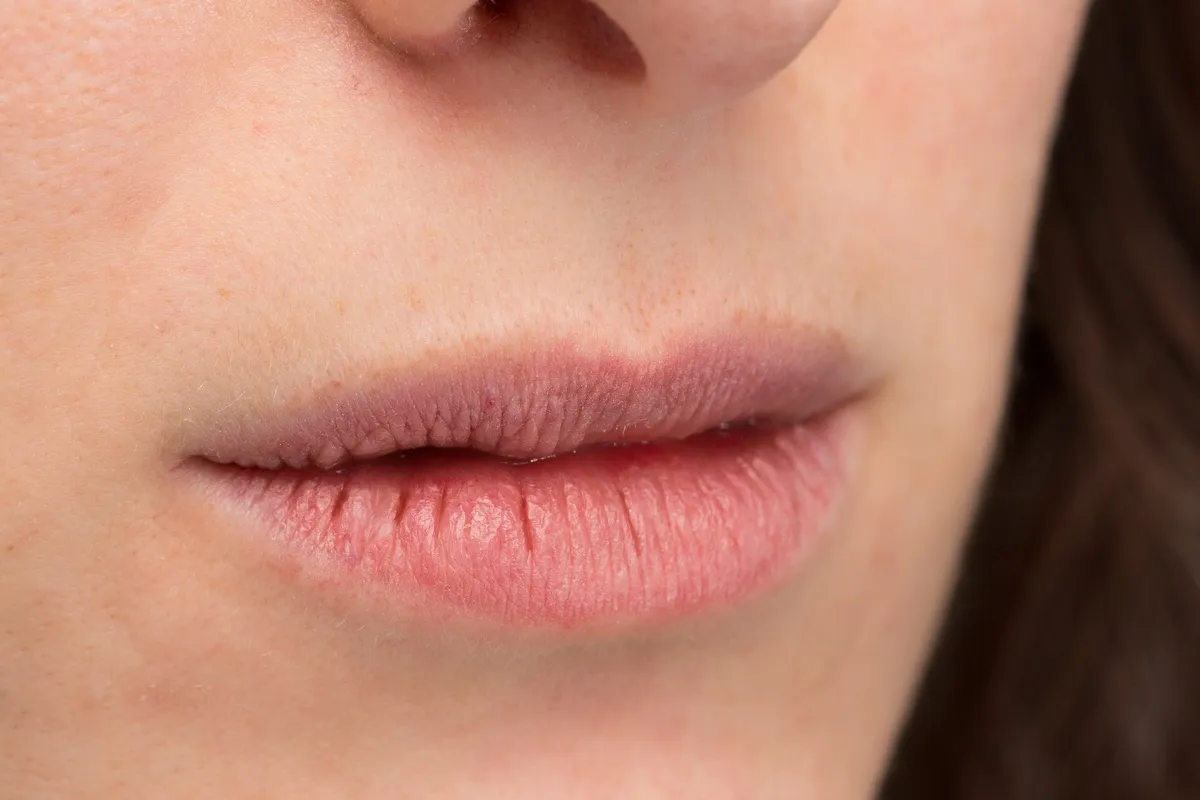
Winter in Texas brings cooler temperatures and lower humidity, creating conditions where dry mouth becomes more common. Dry mouth, also called xerostomia, occurs when your mouth doesn’t produce enough saliva to keep it moist. This might seem like a minor inconvenience, but saliva plays a critical role in protecting your teeth from decay and maintaining overall oral health.
At the office of Dr. Peter Hazim, we help patients throughout Allen and the surrounding areas understand how seasonal changes affect their oral health. Whether you’re dealing with dry mouth from winter weather, medications, or other factors, our team provides comprehensive general dentistry solutions to protect your smile year-round.
Why Winter Weather Triggers Dry Mouth
Cold air holds less moisture than warm air. When you breathe in dry winter air, either outdoors or through heated indoor spaces, it can reduce your mouth’s natural moisture levels. Indoor heating systems further compound this problem by creating an environment with very low humidity. You might notice your lips chapping, your skin drying out, and your mouth feeling uncomfortably dry.
Many people also reduce their water intake during winter months simply because they don’t feel as thirsty as they do in hot weather. This decreased hydration contributes to reduced saliva production. Certain winter behaviors add to the problem too. You might breathe through your mouth more often if you have seasonal congestion from colds or allergies, which dries out oral tissues even faster.
How Saliva Protects Your Teeth
Saliva does far more than keep your mouth comfortable. It serves as your primary defense against tooth decay. Your saliva washes away food particles and bacteria, neutralizes acids produced by bacteria in your mouth, and provides disease-fighting substances throughout your mouth.
When you don’t produce enough saliva, bacteria can multiply more rapidly. Plaque builds up more quickly on teeth, and the acids that attack your enamel aren’t neutralized as effectively. This creates an environment where cavities can develop more easily. Saliva also contains minerals like calcium and phosphate that help rebuild weakened enamel through a process called remineralization. Without adequate saliva, your teeth lose this natural repair mechanism.
Dental Problems Caused by Dry Mouth
The reduced saliva flow creates several dental health challenges. Tooth decay develops more rapidly because acids aren’t being neutralized and food particles linger longer on teeth. You may need more composite dental fillings to address cavities that develop.
Gum disease becomes more likely when bacteria aren’t being washed away regularly. Inflamed, bleeding gums can progress to more serious periodontal problems if dry mouth persists. Your risk for gum disease increases significantly when saliva production decreases.
Existing dental work can also be affected. Crowns, fillings, and other restorations may experience more wear or develop problems at a faster rate. The constant dry environment can make your mouth more susceptible to infections, including fungal infections like thrush.
Simple Steps to Combat Winter Dry Mouth
Increasing your water intake is the most straightforward solution. Sip water throughout the day rather than drinking large amounts all at once. Keep a water bottle with you at home and work to remind yourself to drink regularly. Avoid beverages with caffeine or alcohol, which can actually worsen dehydration.
Using a humidifier in your bedroom at night can restore moisture to the air you breathe while sleeping. This simple device can make a noticeable difference in your morning dry mouth symptoms. You can also place humidifiers in other rooms where you spend significant time during winter months.
Sugar-free gum or lozenges can stimulate saliva production. Look for products containing xylitol, which has the added benefit of fighting cavity-causing bacteria. Avoid tobacco products entirely, as they significantly reduce saliva production and damage oral tissues.
When to Seek Professional Help
If simple home remedies don’t improve your dry mouth symptoms within a few weeks, schedule an appointment with us. Persistent dry mouth might indicate an underlying health condition or medication side effect requiring professional attention. Some medications commonly prescribed for allergies, depression, high blood pressure, and other conditions can cause dry mouth as a side effect.
You should definitely seek care if you notice new cavities developing, increased tooth sensitivity, or changes in your gum health. These signs indicate dry mouth is already affecting your dental health and needs immediate attention. Dr. Hazim can recommend prescription-strength saliva substitutes or medications that stimulate saliva production if necessary.
We can also apply fluoride treatments to strengthen your enamel and provide additional protection against decay. Professional cleanings become even more important when dealing with chronic dry mouth, as they remove buildup that accumulates more quickly in a dry oral environment.
Protect Your Smile This Winter with Dr. Peter Hazim
Winter dry mouth deserves attention before it leads to more serious dental problems. Our team in Allen, Texas offers comprehensive care for patients experiencing seasonal oral health challenges. Dr. Hazim has been providing quality dentistry in the area for over 25 years, earning recognition as “Best Dentist in Dallas” by D Magazine from 2017 to 2022. His international training from Damascus University, the University Rene’ Descartes in Paris, and certification in prosthodontics from Loyola VA Hospital gives him a unique perspective on complex oral health issues.
Whether you need preventive care, restorative treatments, or guidance on managing dry mouth symptoms, we’re here to help. Contact our office today to schedule an appointment and protect your smile throughout the winter season.
