
 972-727-5599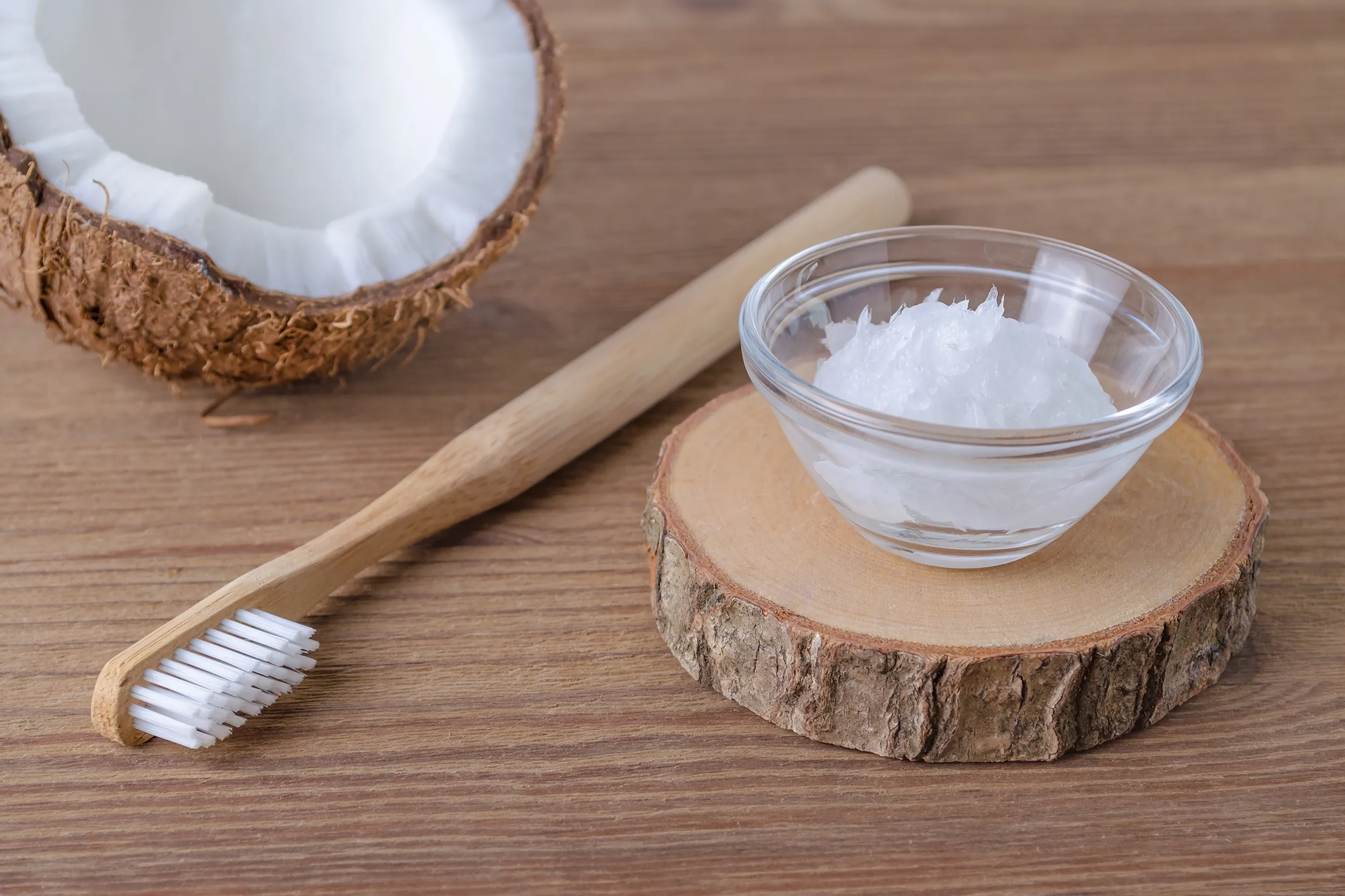
Spend a few minutes on social media, and you are almost guaranteed to come across a new trick that claims to whiten teeth, strengthen enamel, or replace your usual oral care routine. Oil pulling, charcoal toothpaste, and DIY whitening kits seem to pop up everywhere, often with impressive before-and-after photos and glowing testimonials. The problem is that trends tend to spread much faster than the research behind them, making it difficult to know which ones are actually worth trying.
We hear questions about these products and oral hygiene aids all the time at the office of Dr. Peter Hazim, and it’s easy to understand why. Some trends have a little science behind them, others are mostly hype, and a few can even do more harm than good. Before you spend money on the latest recommendation or change your routine, it’s worth taking a closer look at what the research actually says.
What Oil Pulling Can and Cannot Do for Your Teeth
Oil pulling started as a traditional Ayurvedic practice from India, and it has found new popularity through social media. The routine involves swishing a spoonful of oil, usually coconut or sesame oil, around your mouth for ten to twenty minutes before spitting it out. The word “pulling” refers to the swishing motion used to work the oil through and around your teeth. Supporters claim it can whiten teeth, freshen breath, and pull toxins out of the body.
The science paints a more limited picture. A 2022 meta-analysis found that oil pulling may reduce the amount of bacteria in saliva, though it showed no meaningful difference in plaque or gum health scores compared to standard oral care. Coconut oil carries some natural antibacterial properties, which may explain the change in bacteria counts, though researchers note the overall quality of evidence remains low. Oil pulling is not a proven replacement for brushing with fluoride toothpaste, flossing, and regular cleanings, so it works best as an addition to your routine rather than a substitute.
The Risks Behind Charcoal Toothpaste
Charcoal toothpaste has become one of the most visible oral care trends in recent years, fueled by dramatic short videos showing teeth going from stained to bright white in seconds. This dark, gritty toothpaste has earned a loyal following among people looking for an alternative to peroxide-based whitening products. It contains activated charcoal, a fine black powder made from materials like coconut shells or wood that has been heated to create a highly porous texture. Manufacturers market it as a natural way to lift surface stains and brighten your smile.
The problem is that charcoal is abrasive, and repeated use can wear down the protective enamel layer on your teeth. Once enamel wears away, teeth can look more yellow, not whiter, and may grow more sensitive to hot and cold. Charcoal particles can also become trapped along the gumline, leading to irritation over time. Many charcoal formulas skip fluoride entirely, and the American Dental Association has not granted its Seal of Acceptance to any charcoal toothpaste. If whitening is your goal, professional teeth whitening offers a safer and more predictable result.
How to Evaluate Any Oral Health Trend
New products and routines will keep appearing online, but a few simple questions can help you separate solid advice from clever marketing. Before trying the latest trend in your feed, consider the following:
- Does it have backing from the American Dental Association or published research, rather than personal testimonials alone?
- Does it aim to replace brushing, flossing, or professional cleanings instead of supporting them?
- Have other users reported sensitivity, staining, or irritation after regular use?
- Would a quick check with your dentist settle any lingering doubt?
If you’re already brushing with the right toothpaste, flossing daily, and keeping up with regular dental visits, there’s rarely a need to rush into the latest trend. Giving the research time to catch up is often the better choice.
Visit Dr. Peter Hazim for Guidance You Can Trust
New oral health trends will keep showing up in your feed, and it is completely normal to feel curious about them. Dr. Peter Hazim and our team are glad to talk through any product or routine you are considering, whether it started on social media or with a friend’s recommendation, at your next appointment.
Have questions about a trend you saw online? Or is it simply time for your next cleaning? Reach out through our contact form to schedule a visit. We’d be happy to help.
