
 972-727-5599
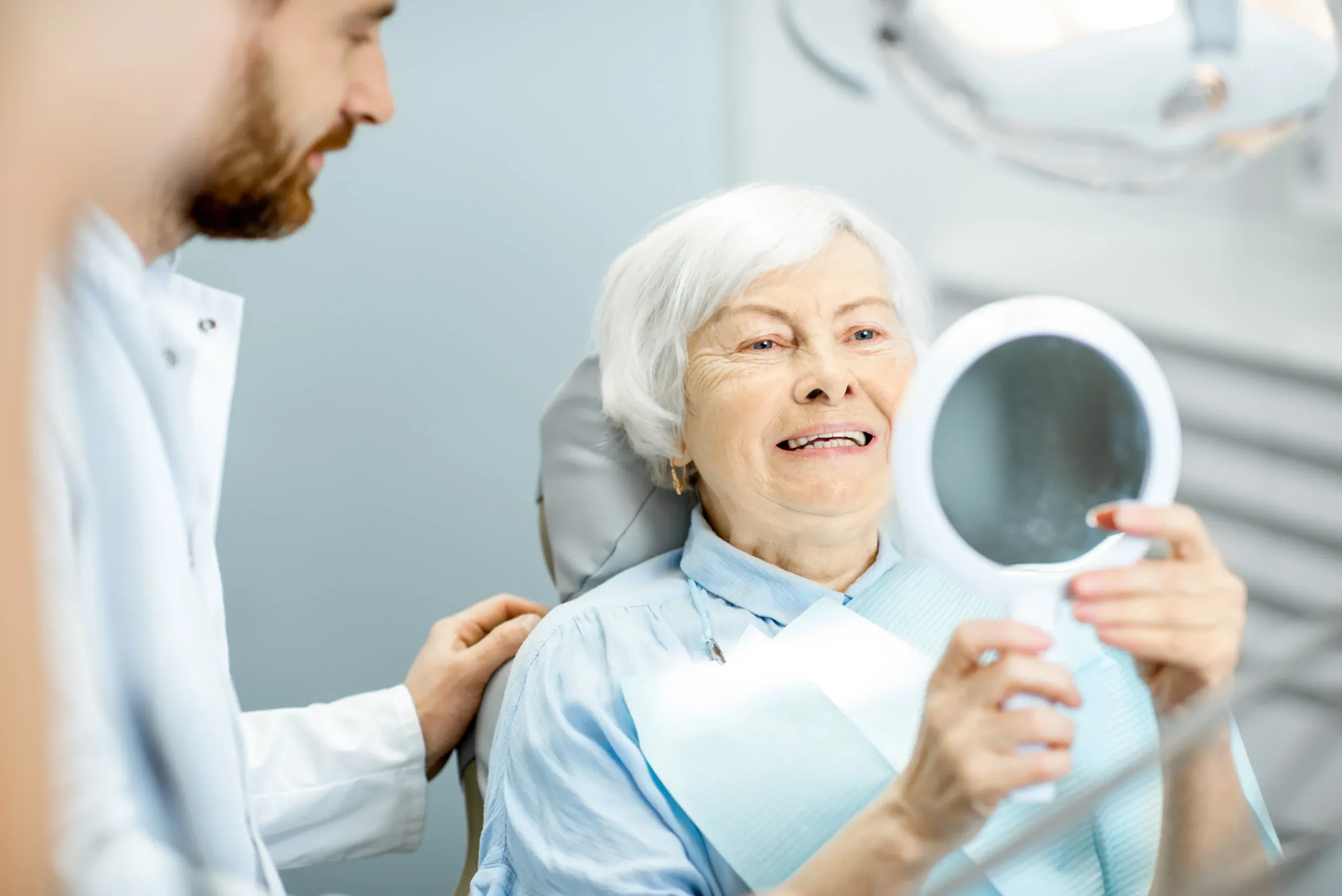
Your smile tells a story, and as the years go by, that story naturally changes. Worn enamel, shifting gums, and a mouth that feels drier than it used to are all part of getting older, but none of them have to mean giving up the smile you love. The good news is that most age-related dental changes respond well to the right care at the right time, especially when they are caught early.
At Dr. Peter Hazim’s office in Allen, we have spent more than 25 years helping patients keep their smiles strong through every stage of life. Dr. Hazim trained in prosthodontics and continues advanced coursework at the Spear Institute and Pankey Institute, giving our team the tools to address the full range of changes that come with aging teeth, from minor sensitivity to more involved restorative needs.
What Happens to Teeth as We Age?
Enamel wears down gradually after decades of chewing, grinding, and exposure to acidic foods and drinks. Once that protective layer thins, teeth become more prone to sensitivity, cracks, and decay along the edges and roots. Gum tissue can also recede over time, exposing the root surface, which is softer than enamel and more vulnerable to cavities than the crown of the tooth.
Saliva production tends to slow down with age too, and certain medications common among older adults can make dry mouth worse. Without enough saliva to rinse away food particles and neutralize acids, the risk of decay and gum disease rises. According to the NIDCR’s data on older adults, oral health issues become more prevalent as patients move through their senior years, which is part of why proactive dental care matters more, not less, with age. Bone density around the jaw can shift as well, which affects how comfortably teeth fit together and how stable dentures or bridges feel over time.
Common Concerns We See in Older Patients
Many patients come to us with a mix of these changes happening at once. We typically address:
- Sensitivity: Thinning enamel and exposed roots can make hot, cold, or sweet foods uncomfortable.
- Tooth loss: Bone density changes and long-term wear can lead to loose or missing teeth over time.
- Dry mouth: Reduced saliva flow raises the risk of decay and can make chewing or speaking less comfortable.
- Gum recession: Thinner, receding gum tissue exposes roots and can affect both comfort and appearance.
Addressing these concerns early tends to keep treatment simpler and more comfortable than waiting until a small issue becomes a bigger one, and it often costs less in the long run as well.
How We Help Patients Protect Their Smiles Later in Life
Every patient’s mouth ages differently, so we start by listening to what has changed and what matters most to you, whether that is comfort while eating, confidence in your smile, or simply keeping your natural teeth as long as possible. From there, we build a plan that may include restorative treatment to repair worn or damaged teeth, or dentures and partials when replacing missing teeth is the best path forward for your daily comfort and function.
We also focus heavily on prevention. Regular cleanings and exams give us the chance to catch small changes, a bit of recession here, a hint of sensitivity there, before they turn into bigger problems. For patients managing dry mouth, we can recommend simple daily habits and products that help protect enamel between visits, along with adjustments to your at-home routine that make a real difference over time.
A Second Opinion Worth Having
Many of our patients come to us after hearing about a friend’s experience or wanting a second set of eyes on a treatment plan from another office. We welcome those conversations. Dr. Hazim’s background, including his residency in prosthodontics and ongoing training in advanced techniques, means we can offer perspective on options you may not have been presented with elsewhere, from conservative repairs to full-mouth solutions when that is genuinely what is needed for your long-term comfort.
Dr. Peter Hazim Is Here to Help You Keep Your Smile Strong
Getting older does not mean accepting a smile that feels less comfortable or less confident. With the right care, most age-related dental changes can be managed effectively, and many can be prevented from progressing at all. Our team takes the time to understand what is going on in your mouth and why, so the plan we build together actually fits your life and your goals for years to come.
If you have noticed new sensitivity, changes in your gums, or simply want a thorough evaluation of where your oral health stands, we would love to see you. Reach out to our Allen office to schedule a visit and talk through what aging teeth can mean for you, and what we can do about it together.
