
 972-727-5599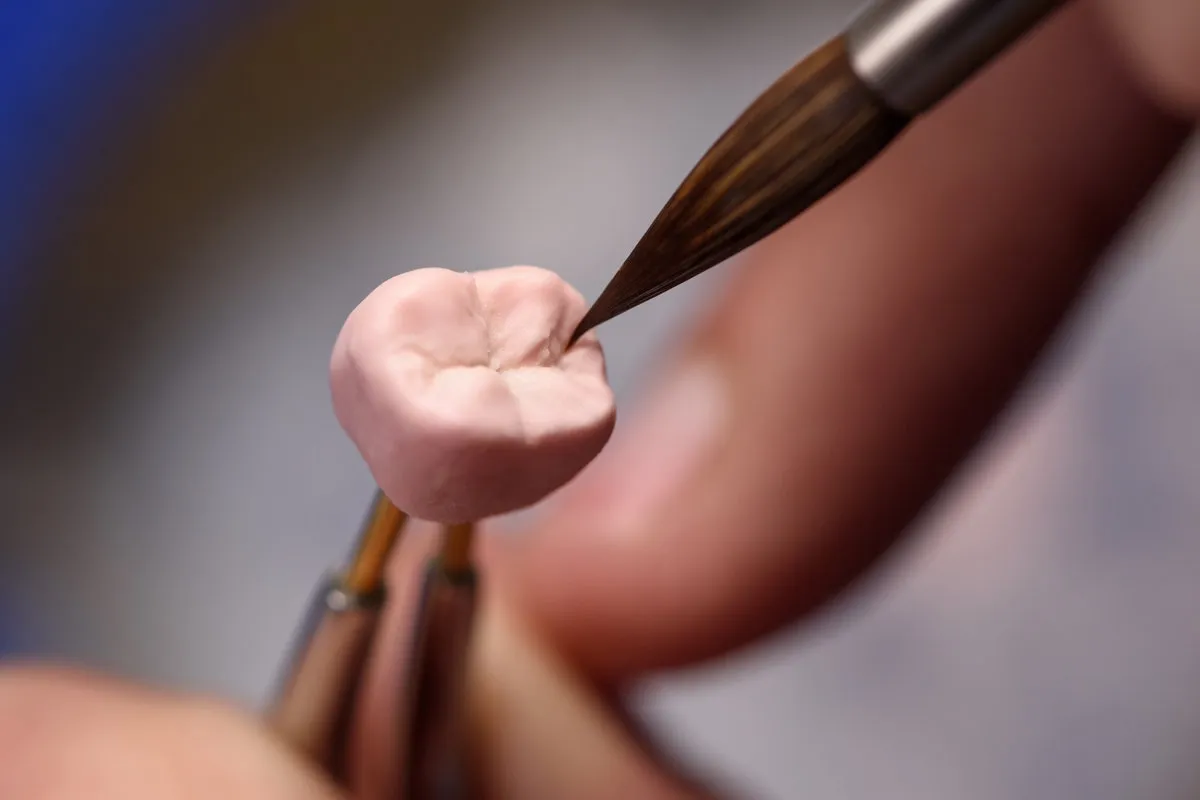
When a tooth is cracked, severely decayed, or weakened after a root canal, a dental crown may be exactly what stands between you and a much bigger problem. Choosing the right crown material, though, is not always a simple decision. The options have expanded significantly over the years, and what works best for one patient may not be the right fit for another.
At our office, board-certified prosthodontist Dr. Peter F. Hazim has been helping patients in Allen and across North Texas restore damaged teeth since 1999. Trained in prosthodontics at Loyola VA Hospital in Chicago after completing his studies at Damascus University and the University René Descartes in Paris, Dr. Hazim brings an internationally educated perspective to restorative dentistry that genuinely makes a difference in treatment planning. Knowing which crown type is right for you requires understanding what each material offers and where it performs best.
What a Dental Crown Actually Does
A crown is a tooth-shaped cap placed over a damaged or prepared tooth to restore its shape, size, and function. Once cemented into place, it fully encases the visible portion of the tooth above the gum line. Crowns are used to protect a weak tooth from breaking, hold together parts of a cracked tooth, cover a tooth with a large filling, support a dental bridge, or cover a dental implant.
The material your crown is made from determines how it looks, how long it may last, and how it holds up under the pressure of everyday chewing. Research published in a 2024 study from the National Institutes of Health comparing the mechanical behavior of crown materials found that both ceramic and zirconia present distinct stress-load resistance profiles depending on placement and clinical conditions. That is why an individualized assessment matters so much.
A Look at the Most Common Crown Materials
Several crown types are routinely used in dental offices today, and each has its strengths.
Porcelain-Fused-to-Metal Crowns
Porcelain-fused-to-metal (PFM) crowns have been used reliably for decades. They combine a metal substructure with a porcelain outer layer, offering strength and a more tooth-like appearance than full metal options. They work particularly well for back teeth under heavy chewing load. However, the metal base can sometimes show as a dark line near the gum over time, and the porcelain layer may chip in certain patients.
All-Ceramic and Porcelain Crowns
All-ceramic crowns offer the most natural-looking results. They match the translucency of real enamel better than any other material, making them a popular choice for front teeth or highly visible areas. Because they contain no metal, they are also a good option for patients with metal sensitivities. Their primary limitation is that they can be less durable than zirconia under heavy biting forces in the back of the mouth.
Zirconia Crowns
Zirconia has become one of the most widely recommended materials in modern restorative dentistry. It is extremely strong, tooth-colored, and biocompatible, meaning the surrounding gum tissue tends to respond well. Monolithic zirconia crowns, which are milled from a solid block rather than layered, are particularly resistant to chipping. They can be used on both the front and back teeth, making them a versatile choice for many patients.
CEREC Same-Day Crowns
One of the most significant advances in crown technology is the ability to design, mill, and place a crown in a single appointment. Our CEREC same-day crowns are crafted using digital impressions captured with the CEREC Primescan, which eliminates the need for traditional putty impressions and temporary crowns. The resulting ceramic restoration is milled chairside and placed the same day, saving time and reducing the number of visits required.
How We Help You Choose the Right Option
The right crown depends on several factors: which tooth needs restoration, how much natural tooth structure remains, the forces placed on that tooth, your aesthetic goals, and your overall oral health. A back molar that bears significant chewing force has different needs than an upper front tooth visible in every photograph.
As a prosthodontist, Dr. Hazim takes a comprehensive approach to crown selection. Prosthodontics is the dental field dedicated specifically to restoring and replacing teeth, and that focused training informs every treatment recommendation we make. Whether your situation calls for a durable zirconia crown, a natural-looking all-ceramic option, or the convenience of same-day technology, our general dentistry services are designed to give you a solution that works for your mouth, your lifestyle, and your long-term health.
Schedule a Crown Consultation at the Office of Dr. Peter Hazim
At the office of Dr. Peter Hazim, we believe every patient deserves a restoration that fits their life. Dr. Hazim has been recognized as “Best Dentist in Dallas” by D Magazine every year from 2017 to 2022, and he continues to stay current on the latest techniques through ongoing education at the Spear Institute and Pankey Institute. Our multilingual team is here to make sure every patient feels understood and comfortable throughout the process.
If a damaged tooth has you wondering whether a crown is the next step, we are ready to help you find the right answer. Contact us today to request a consultation and take the first step toward a tooth that looks and feels like your own again.
