
 972-727-5599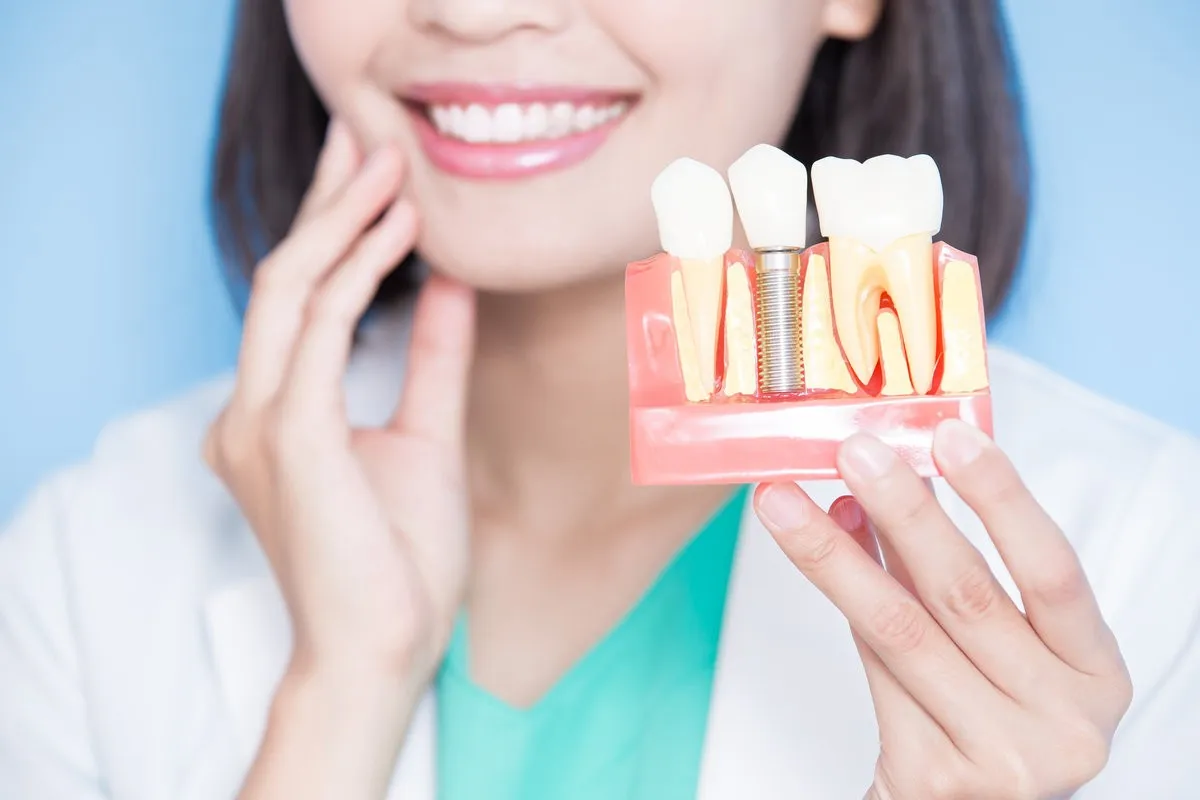
When patients consider tooth replacement options, one question rises above all others: Will this solution stand the test of time? Dental implants represent a significant investment in your oral health, and understanding their longevity helps you make an informed decision about your smile’s future.
At the office of Dr. Peter Hazim, we guide patients through every aspect of implant treatment with precision and care. As a prosthodontist certified through his internship at Loyola VA Hospital in Chicago, Dr. Hazim brings specialized expertise in tooth replacement that goes far beyond standard dental training. With over 25 years of experience serving the Allen, Texas community, we understand that our patients deserve transparent answers about how long their implants will last and what factors influence their success.
Expected Lifespan of Dental Implants
Dental implants are designed to be a permanent solution for missing teeth. The titanium post that serves as your artificial tooth root can last a lifetime with proper care and maintenance. Research shows that dental implants have success rates exceeding 95 percent, making them one of the most reliable tooth replacement options available today.
The crown attached to your implant typically lasts 10 to 15 years before needing replacement due to normal wear and tear. However, this doesn’t mean your implant has failed. The underlying implant post remains securely integrated with your jawbone, and we simply attach a new restoration to continue providing you with full function and aesthetics. Many patients enjoy their original crowns for even longer when they maintain excellent oral hygiene and attend regular dental visits.
Key Factors That Influence Implant Longevity
Several critical elements determine whether your dental implants will last a lifetime or require intervention sooner than expected. Understanding these factors empowers you to take an active role in protecting your investment and maintaining optimal oral health for years to come.
Oral Hygiene and Maintenance
Your daily oral care routine plays the most significant role in determining how long your dental implants will last. While implants cannot develop cavities like natural teeth, the surrounding gum tissue and bone remain vulnerable to infection. We recommend brushing twice daily, flossing around your implants carefully, and using an antimicrobial mouthwash to prevent peri-implantitis, a condition that can compromise the bone supporting your implant. Regular professional cleanings every six months allow us to monitor your implant health and address any concerns before they become serious problems.
Implant Placement and Prosthodontic Planning
The success and longevity of your dental implants depend heavily on precise placement during the surgical phase. At our practice, we work closely with periodontic specialists like Dr. Nai-wen Chang to develop comprehensive treatment plans that consider every aspect of your implant success. This team-based approach means your implant placement is planned with the final restoration in mind, maximizing the potential for long-term success.
Lifestyle Habits and Overall Health
Certain lifestyle factors can significantly impact your implant’s longevity. Smoking represents one of the greatest threats to implant success, as it restricts blood flow to your gums and impairs healing after surgery. Patients who smoke face higher rates of implant failure compared to non-smokers. Similarly, conditions like uncontrolled diabetes can affect your body’s ability to heal and maintain the bone integration necessary for implant stability.
Grinding or clenching your teeth, known as bruxism, can place excessive force on your implants and the attached crowns. We may recommend a night guard to protect your investment if you show signs of this habit. Managing these risk factors proactively gives your implants the best chance of lasting a lifetime.
Technological Advances Supporting Implant Success
Modern digital dentistry has revolutionized how we plan and execute implant treatments, directly impacting their longevity. “Everything is planned ahead of time virtually after you obtain certain data like a CBCT, which is a CT scan, and intraoral scan, so you can merge these data,” Dr. Hazim notes. “These technologies that are emerging and developing quickly, basically the use of computer AI, make the treatment and the outcome more predictable.”
This advanced planning technology allows us to visualize your unique anatomy and determine the optimal implant position before surgery even begins. We use bridges and other restorative techniques in conjunction with implant technology to create comprehensive solutions for patients with multiple missing teeth. The precision offered by digital dentistry means fewer complications, better aesthetic outcomes, and implants positioned for long-term success.
Restore Your Smile With Dr. Peter Hazim in Allen, Texas
Your smile deserves the stability and confidence that only properly placed dental implants can provide. At the office of Dr. Peter Hazim, our prosthodontic expertise ensures your implant treatment is planned and executed with precision from start to finish. Recognized as “Best Dentist in Dallas” by D Magazine from 2017 to 2022, Dr. Hazim continues advancing his skills through ongoing education at the prestigious Spear Institute and Pankey Institute, bringing cutting-edge techniques to every patient we serve.
We offer multilingual services and flexible financial options including CareCredit and Cherry to make your implant treatment accessible and comfortable. Whether you need a single tooth replacement or implant-supported dentures, our team provides the specialized care that sets your implants up for a lifetime of success. Contact our Allen, Texas office today to schedule your consultation and discover how dental implants can transform your smile for decades to come.
